


Every invoice transmitted to GSTN carries sensitive commercial information, including pricing structures, transaction values, customer details, and product classifications. When this data moves through multiple systems...
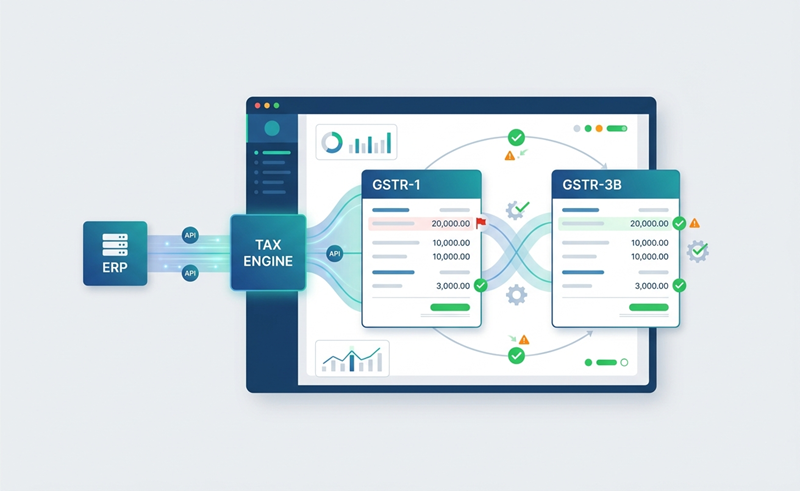
By the time tax teams review the numbers in GSTR-1 and GSTR-3B, the transaction data has already passed through multiple enterprise systems. An invoice is created in the ERP, passes through tax engines and integration...
Excellon’s EXACT GSP 2.0 has successfully earned certification from the SAP Integration and Certification Center (SAP ICC), marking a major milestone in delivering enterprise-ready GST compliance solutions. This...
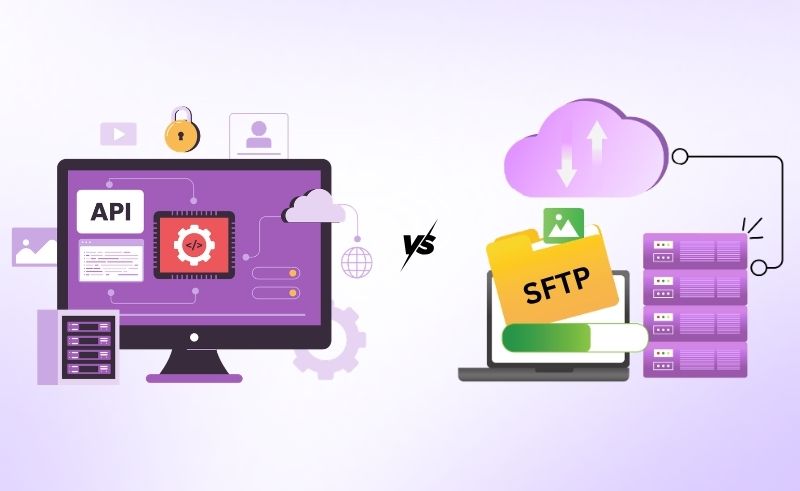
The average GST invoice moves through hundreds of touch points across the organization and beyond. Its journey begins from an ERP and then travels through integration layers to reach the Invoice Registration Portal and...

A warehouse team waits for dispatch clearance. The trucks are loaded. The goods are ready. The finance system shows invoices generated. Then a notification appears on the dashboard. IRP rejection Invalid GSTIN. Duplicate...
Every month, Indian enterprises process thousands or sometimes millions of invoices, credit notes, and adjustments across ERP, billing, and finance systems. The difficulty is rarely understanding GST rules. The real...
- 1
- 2