Attention: E-Invoicing is mandatory for all GST-registered taxpayers with a turnover of ₹5 crore and above, effective from 1st August 2023. | File your GSTR-1 by the 10th of every month to ensure timely return submission. | Avoid penalties by filing your GST returns before deadlines like the 10th, 20th, and 31st. | File your GSTR-4 quarterly return by the 18th to avoid late fees and penalties. | Complete your GST audit and submit annual reports by 30th September every year. | Attention: E-Invoicing is mandatory for all GST-registered taxpayers with a turnover of ₹5 crore and above, effective from 1st August 2023. | File your GSTR-1 by the 10th of every month to ensure timely return submission. | Avoid penalties by filing your GST returns before deadlines like the 10th, 20th, and 31st. | File your GSTR-4 quarterly return by the 18th to avoid late fees and penalties. | Complete your GST audit and submit annual reports by 30th September every year. |

Whitepaper

Request EXACT PASS API Sandbox Access

GSP · Pass-through infrastructure Request EXACT PASS API Sandbox Access Connect directly to the NIC, IRP, and GSTN nodes via a secure, zero-data-storage pass-through GSP framework — built for teams who can’t afford downtime on compliance. INSTANT ACCESSGet instant access to developer documentation & sandboxes. 99.7%+ UPTIMEDelivered uptime with twin ISP multi-way redundancy. ZERO EXPOSUREReal-time run-time JSON encryption without regulatory exposure. Request Sandbox Access See how pass-through works No data warehoused at any hop · Response under 24 hrs · Free sandbox credentials Get started Talk to the integration team Share a few details and we’ll issue sandbox credentials for the NIC, IRP & GSTN nodes. By submitting, you agree to be contacted about EXACT PASS. We do not store transaction payloads — see our pass-through policy.

India GST 2.0 compliance overview

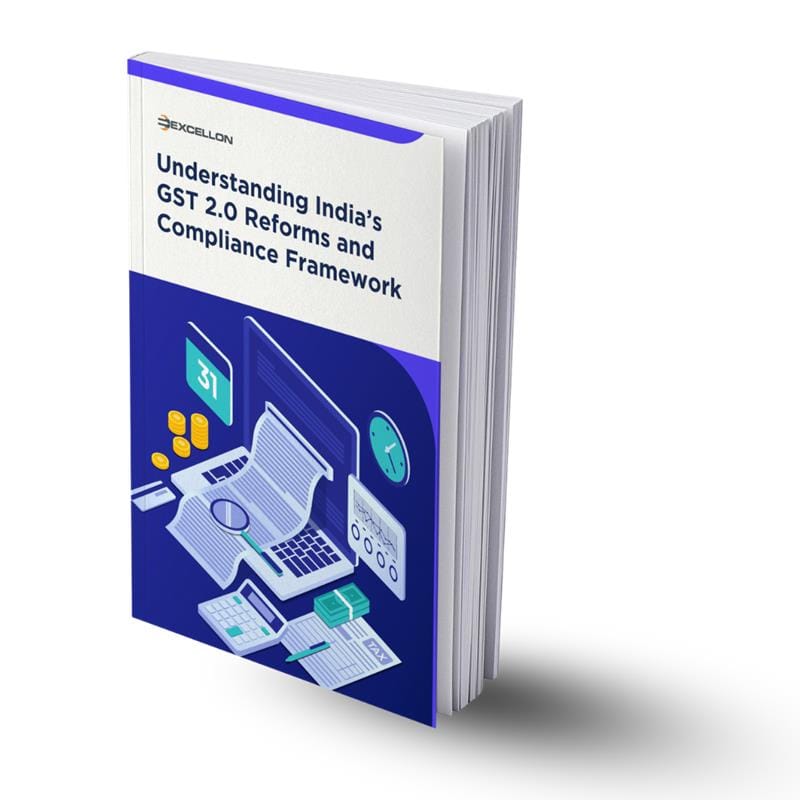
Understanding India’s GST 2.0 Reforms and Compliance Framework​

Fill the form to download the whitepaper About The Whitepaper The Goods and Services Tax has been one of India’s most significant reforms in modern economic policy. Since its launch in 2017, it has simplified indirect taxation, brought consistency across states, and expanded the tax base. Over time, however, the system became complicated with multiple slabs, exemptions, and compliance hurdles. In 2025, the government introduced GST 2.0 to address these issues. The new framework reduces the number of tax slabs, removes anomalies, and simplifies compliance procedures. For businesses, this creates fewer risks of misclassification, more predictability in pricing, and greater transparency in tax administration. Connecting your ERP systems directly to the Government via ExactGST’s SAP-certified GSP API allows you to automate e-invoicing, e-way bills, and GST return filings with real-time updates, secure data handling, and scalable performance—turning GST 2.0 compliance into a hassle-free process Download Whitepaper