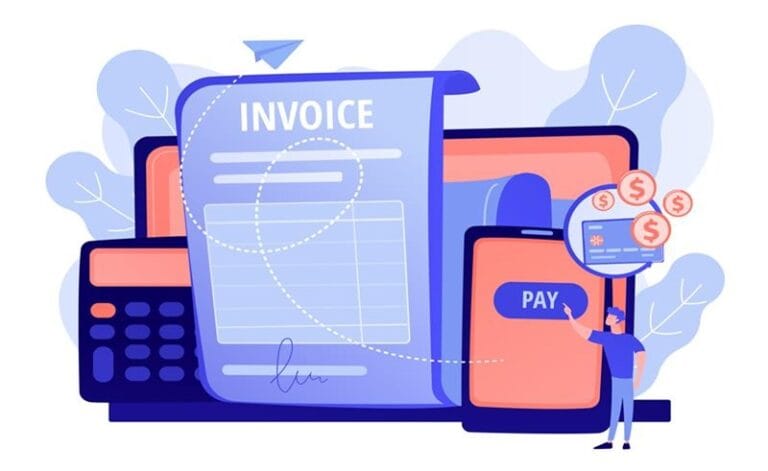
Every company aims for predictable revenue, smooth compliance, and fewer surprises during audits. E-invoicing software in India has become a key part of achieving that stability. With the introduction of IRP validation, invoices can no longer be treated as a month-end task. They need to be processed in real time.
With turnover thresholds tightening and rules like the 30-day e-invoice upload window rule coming into effect, businesses are rethinking how invoices are created, validated, and tracked. A structured digital approach has moved from being optional to essential for smooth GST e-invoice compliance.
What is E-Invoicing?
E-invoicing under GST refers to a system where B2B invoices and certain other documents are validated electronically by the Invoice Registration Portal (IRP) before they are considered valid.
Companies still generate invoices through their accounting or ERP systems. The difference now is that instead of sending them directly to customers and keeping them in isolated records, the invoice information is submitted in a standardized format to an Invoice Registration Portal (IRP). After verification, each invoice is assigned a unique Invoice Reference Number (IRN) along with a QR code.
To ensure seamless compliance across systems, businesses must ensure their invoice data aligns with the e-invoice schema mandated by the GST Council, as inconsistencies can directly lead to IRP rejection.
This approach brings consistency across businesses, allows systems to read invoices automatically, and enables seamless data sharing with GST portals like e-way bills and return filing platforms.
Who Must Generate an E-Invoice?
Currently, any business with an aggregate turnover of 5 crore or more in any financial year must generate e-invoices for B2B invoice compliance in India. Mid-sized companies that were previously outside the mandate are now included due to gradual threshold reductions.
Companies often miss compliance because they are unaware that even crossing the threshold in a single past financial year triggers permanent applicability of GST e-invoice compliance.
Some sectors remain exempt, including:
- Banking and financial services
- Insurance
- NBFCs
- Goods transport agencies
- Passenger transport services
- Cinema ticketing
Once a business crosses the threshold in any year, the requirement continues in subsequent years, even if turnover drops below the limit.
Where to Generate an E-Invoice?
Businesses must generate invoices through:
- Their ERP system
- Billing software
- Custom invoicing tools
- Connected GSP platforms
- The e-Invoice Government Portal
The invoice is submitted digitally to the IRP using secure APIs. Manual entries are not permitted.
Why Dedicated E-Invoicing Software Matters?
Many companies assume ERP systems handle e-invoicing automatically. The reality is that ERPs generate invoices, but validation, IRP integration, and compliance monitoring require a dedicated software layer.
The benefits include:
1. Real-time validation
Errors like incorrect HSN codes validation, invalid GSTINs, character limit violations, or date format issues can disrupt monthly returns. Automated checks prevent these problems from reaching the IRP.
2. Reliable API connectivity
IRP response times can fluctuate during peak hours. A software layer with retry logic and queue management ensures uninterrupted operations.
3. Audit-ready records
Every request, response, and amendment is recorded, making audits smoother.
4. Faster month-end processing
Validated invoices flow directly into accounting and GST filing modules, reducing reconciliation time.
5. Adaptability to rule changes
E-invoicing rules and schema have evolved since launch. A structured software layer adapts automatically, freeing IT teams from manual updates.
Benefits of E-Invoicing Software
A recent study reveals that Indian companies are leading the way in e-invoicing adoption, with over 80%(1) of invoices received electronically, surpassing the global average. This widespread adoption could unlock significant economic value for Indian firms, potentially saving businesses approximately ₹1.09 crore annually.
Using dedicated software instead of manual uploads brings tangible advantages:
Accuracy and Error Reduction
Schema checks and field validations prevent common mistakes, reduce rejections, and ensure consistent data.
Faster Processing and Cash Flow Visibility
Invoices are authenticated instantly. Buyers receive verified documents quickly, suppliers experience fewer disputes, and working capital planning becomes more predictable.
Lower Compliance Workload
Automation reduces repetitive tasks such as e-way bill preparation, reconciliations, and return checks, allowing finance teams to focus on strategy.
Stronger Fraud Control
Each invoice receives a unique IRN that cannot be reissued, minimizing the risk of fake invoices or inflated claims.
Smooth System Interoperability
When the ERP follows the e-invoicing schema, data flows cleanly between systems, enabling business scaling without format issues.
Better Experience for Vendors and Customers
A standard format and prompt delivery reduce disputes, accelerate reconciliations, and improve communication across teams.
By standardizing invoice data, organizations also experience smoother GSTR-1 reconciliation, reducing last-minute filing delays.
Integrating E-Invoicing Software with ERP Systems
For companies using ERP platforms like SAP, Oracle, Microsoft Dynamics, Tally, Odoo, or custom systems, smooth integration is essential.
The typical flow is:
- Invoice is created in the ERP
- Software extracts required fields in the standard schema
- Data is sent to the IRP through secure APIs via GSP environment
- IRP validates the invoice
- IRN and QR code are returned to the ERP
- Invoice is updated and shared with the customer
- Data is automatically pushed to GSTR 1 and e-way bill systems
A well-implemented e-invoice ERP integration not only supports real-time IRP validation but also drastically reduces dependency on manual processes during peak filing periods.
Choosing the Right E-Invoicing Solution
Selecting software is not just a checklist exercise. It defines the reliability of compliance processes.
Things to Consider:
Compliance readiness
Software must follow official schema and update automatically with new GST rules.
Seamless ERP e-invoicing integration
Smooth ERP integration with support for bulk operations and real-time data sync.
Automation depth
Automated IRN generation, cancellation workflows, audit logs, QR code printing, and e-way bill linkage.
Scalability
Must support multiple branches and GSTINs without rework.
Support and service quality
Timely technical support is critical for compliance.
Data security
Encryption, secure APIs, and controlled access are essential.
Always verify whether the solution provider offers a dedicated sandbox environment for API testing, which ensures smoother deployment and minimizes production errors.
How ExactGST Supports Reliable E- Invoicing Compliance
A key decision for any organization is choosing a trusted GSP partner for e-invoicing. ExactGST operates as a Government approved GSP provider that supports businesses with direct and secure API connectivity to the Invoice Registration Portal.
Here is where ExactGST adds tangible value:
1. Direct GSP Connectivity
Since ExactGST functions as a pure GSP, businesses get a clean, controlled and high-speed IRP integration environment. This reduces dependency on middle layers and offers better speed and accuracy.
2. Smooth ERP Integration
ExactGST APIs can be integrated into leading ERPs. Businesses do not need to change their invoicing software. ExactGST works behind the scenes to authenticate invoices in real time.
3. Compliance aligned with current GST rules
With turnover thresholds, timelines, and reporting expectations evolving regularly, ExactGST ensures that the API framework stays updated and aligned with the latest rules including the 30 day e-invoice upload requirement for companies crossing the notified limit.
4. Supports Automated GST Filing Workflows
Once an invoice is authenticated, ExactGST helps push the data into GSTR 1 and e-way bill systems, giving finance teams a structured, predictable compliance pipeline.
5. High volume performance
Enterprises generating thousands of invoices daily need stable uptime and fast response. ExactGST is designed for scale and consistency, which is crucial for businesses with multi state operations.
6. Audit friendly data trail
The logs, are stored in a structured manner, making audits easier for both internal and external teams.
7. SME friendly model
Even small and mid-sized companies with limited IT bandwidth can adopt ExactGST with minimal technical work. The setup is straightforward, according to government norms and built to support growing businesses.
Conclusion
As India continues to tighten GST regulations and expand the scope of e-invoice generation, businesses can no longer rely on manual uploads or basic ERP-level processes. A dedicated e-invoicing software in India not only strengthens compliance but also safeguards organizations from operational delays, penalties, and data inconsistencies. By adopting a reliable solution backed by secure IRP integration, automated validations, and seamless ERP connectivity, companies gain complete visibility into their invoicing lifecycle.
Solutions like ExactGST offer a scalable and future-ready framework, empowering businesses to meet regulatory timelines, manage high invoice volumes, and maintain an audit-ready invoice trail with confidence. In an environment where digital compliance is becoming the backbone of financial operations, investing in the right e-invoicing technology is no longer optional it is a strategic advantage.
Contact Us
Understanding India’s GST 2.0 Reforms and Compliance Framework
Latest News